Policing History explores historical interactions between police and the policed.
FEATURED ARTICLES
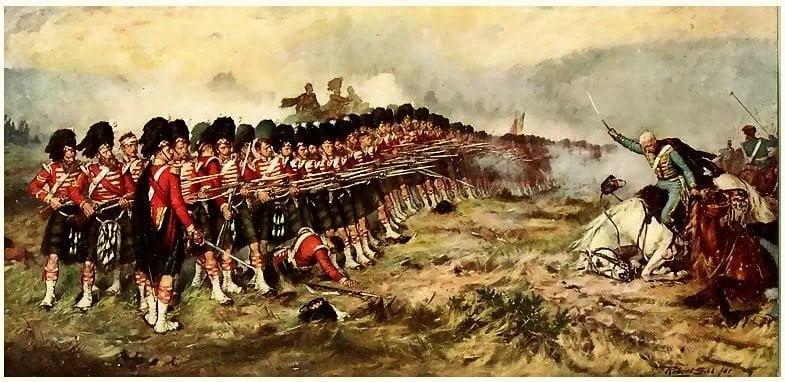
Following a bloody affray during an arrest, the Brisbane Courier described Sergeant McDonald as ‘an old Crimean warrior, having taken part in the three great battles of Alma, Balaclava, Inkermann, and the final assault on Sebastopol. In proof of this he now wears with his ordinary uniform the medals and clasps he received for services in that campaign, and also the Victorian Cross, as a special mark of distinction commemorative of his bravery in an incidental collision with the Russians’
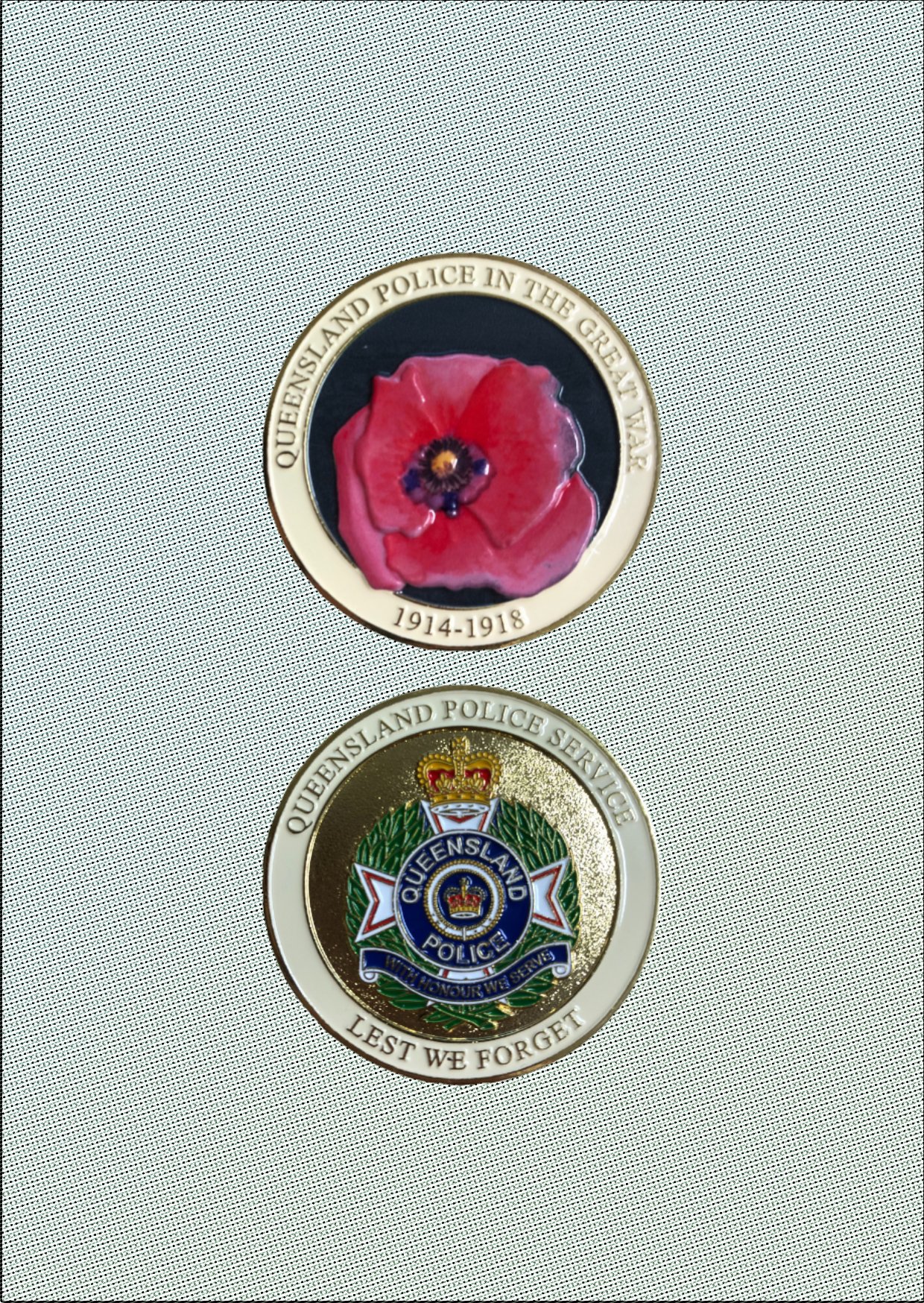
Today is the National Police Remembrance Day. Each year, on September 29, vigils, services and marches are held nationally to commemorate National Police Remembrance Day to remember and honour all police officers who have been killed in the line of duty, and also remember and honour officers whose death did not occur as a consequence of their duty. Last month, August 2023, the Queensland Police Museum applied for the name of Billy Esldale to be added to the Queensland Police Honour Roll, based on this research.
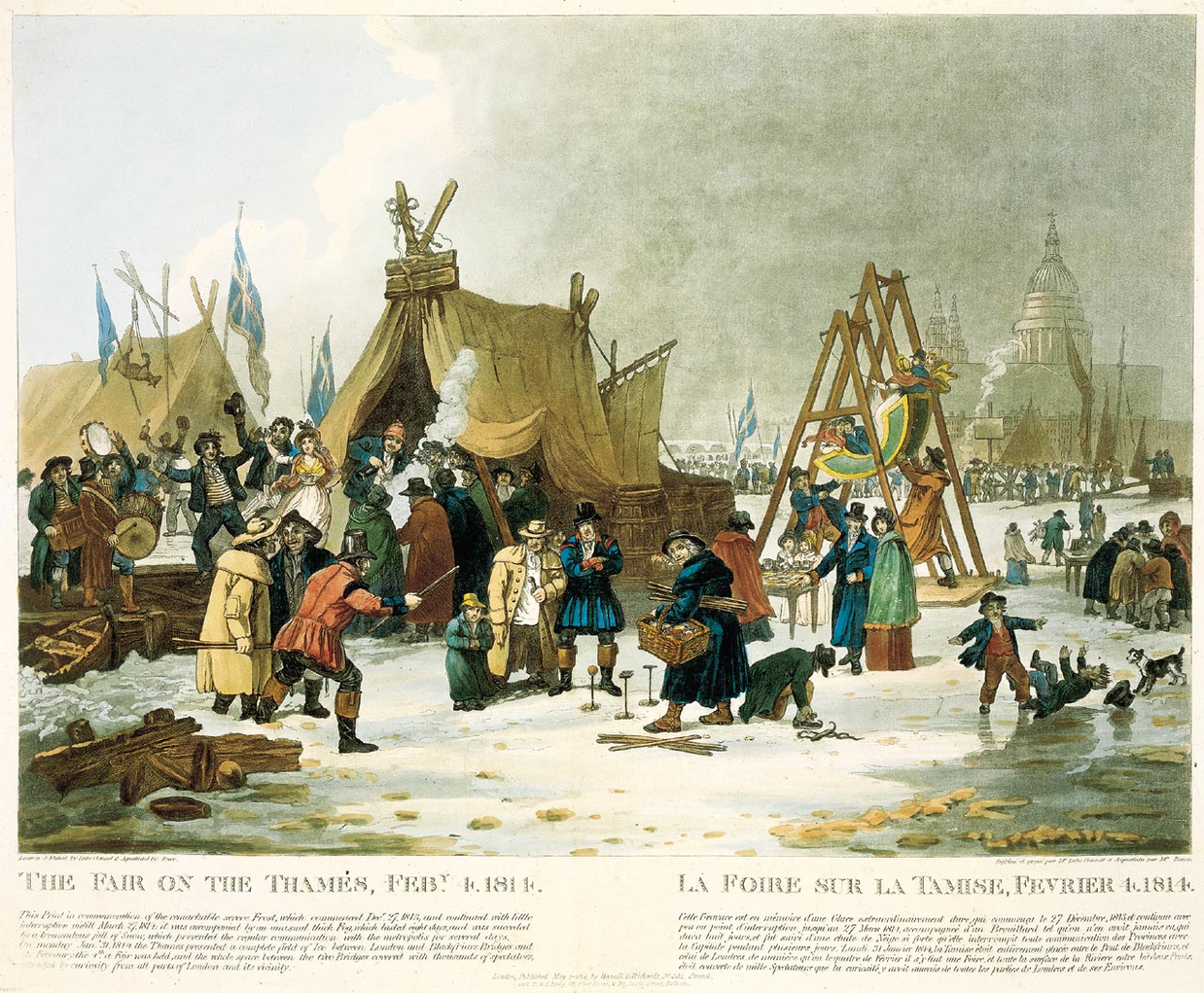
Efficacious attempts at centralised city policing began in earnest in the eighteenth-century, in Dublin. A series of poor harvests and food rioting stemming from cold winters caused by the final stage of the Little Ice Age resulted in several justice administration reforms in the Irish Parliament, eventually culminating in establishment of a day police. A History of Policing Cities (CUP, 2026) explores how city policing emerged as a response to unrest and subsistence crises during the late stage of the Little Ice Age.